
Tigoni Tea Farm & Estate
Rooted in Kenya's tea-growing heritage since 1965, Tigoni Tea Farm is a Black Kenyan-owned working tea estate in the beautiful highlands of Limuru, just outside Nairobi.
Surrounded by rolling tea plantations, indigenous trees, forest landscapes and the gentle sounds of a nearby waterfall, our farm is a place where agriculture, history and nature come together.
For more than six decades, the farm has been part of Tigoni's tea-growing story. Today, we continue cultivating tea while welcoming visitors to discover the journey from leaf to cup through guided tea farm tours, tea picking, processing demonstrations and Kenyan tea tasting experiences.
“Our story is one of African ownership, agricultural heritage and a lasting connection to the land.”
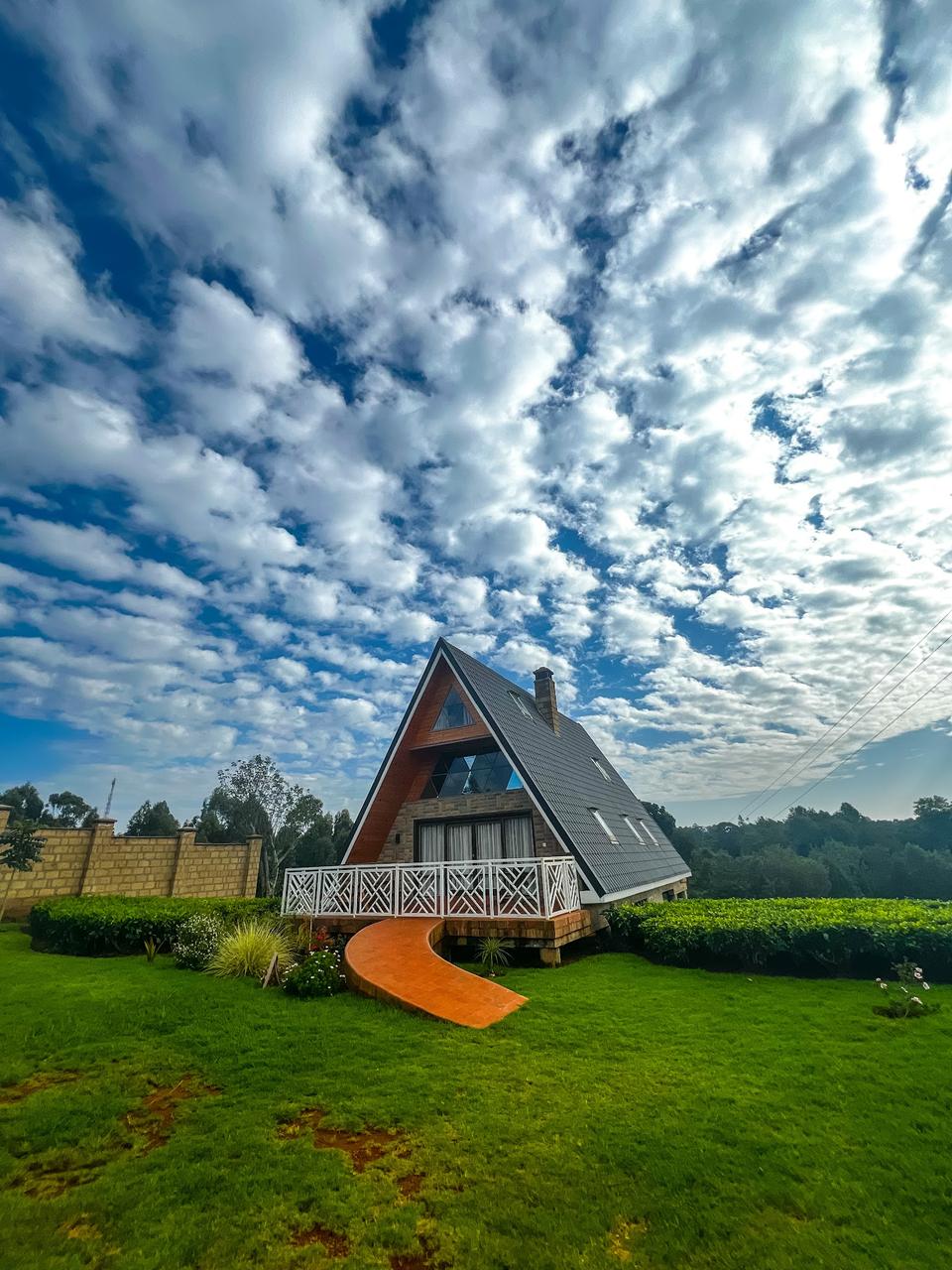
Ravenswood Farm · Tigoni
A Working Tea Estate Since 1965
Our Beginnings — A Kenyan-Owned Tea Farm Since 1965
The story of Tigoni Tea Farm began in 1965, when a Kenyan family acquired the property and moved from Ndumberi to the cool highlands of Tigoni.
At a time when Kenya's tea industry was undergoing significant transformation following independence, the farm became part of a new chapter in African participation and ownership of tea-growing land.
Tea cultivation at the property began in the late 1960s and expanded into the early 1970s. The first tea bushes were established using nursery-grown seedlings, reflecting the cultivation methods of the period.
Over the decades, the farm developed into a working tea estate, with generations of knowledge shaping the way its tea bushes are maintained, harvested and cared for.
Today, Tigoni Tea Farm preserves this agricultural legacy while creating opportunities for visitors to learn about Kenyan tea farming firsthand.
A Farm in the Birthplace of Kenyan Tea
Tigoni lies within the Limuru highlands, a region closely connected to the origins of Kenya's tea industry.
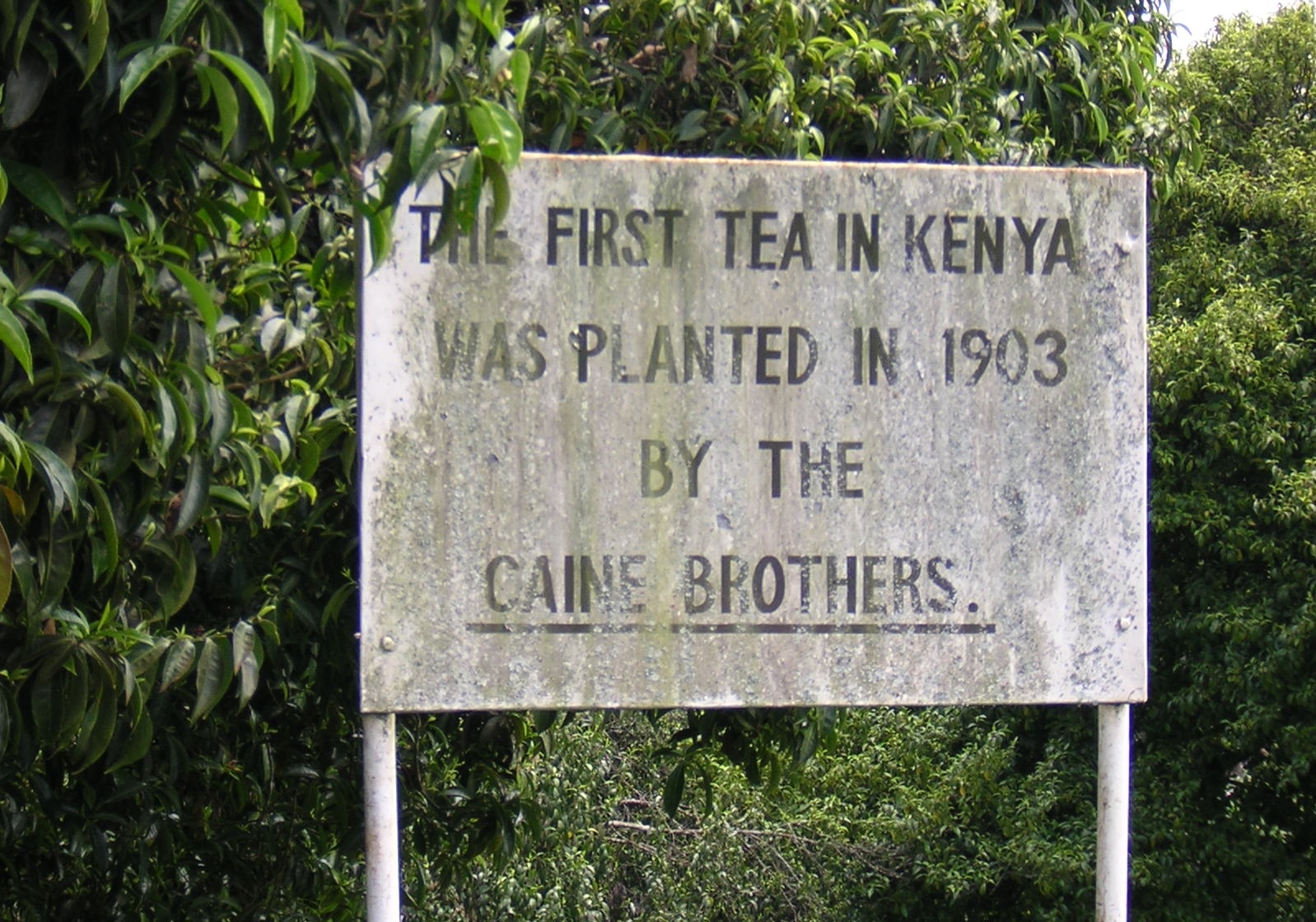
Tea was first introduced to Kenya in the Limuru area in 1903, before commercial cultivation expanded during the 1920s.
For much of the colonial period, tea production was dominated by European-owned estates. The expansion of African tea cultivation in the 1950s and 1960s marked an important turning point in the industry's development.
Established in 1965, Tigoni Tea Farm forms part of this broader history of African participation in Kenya's tea industry.
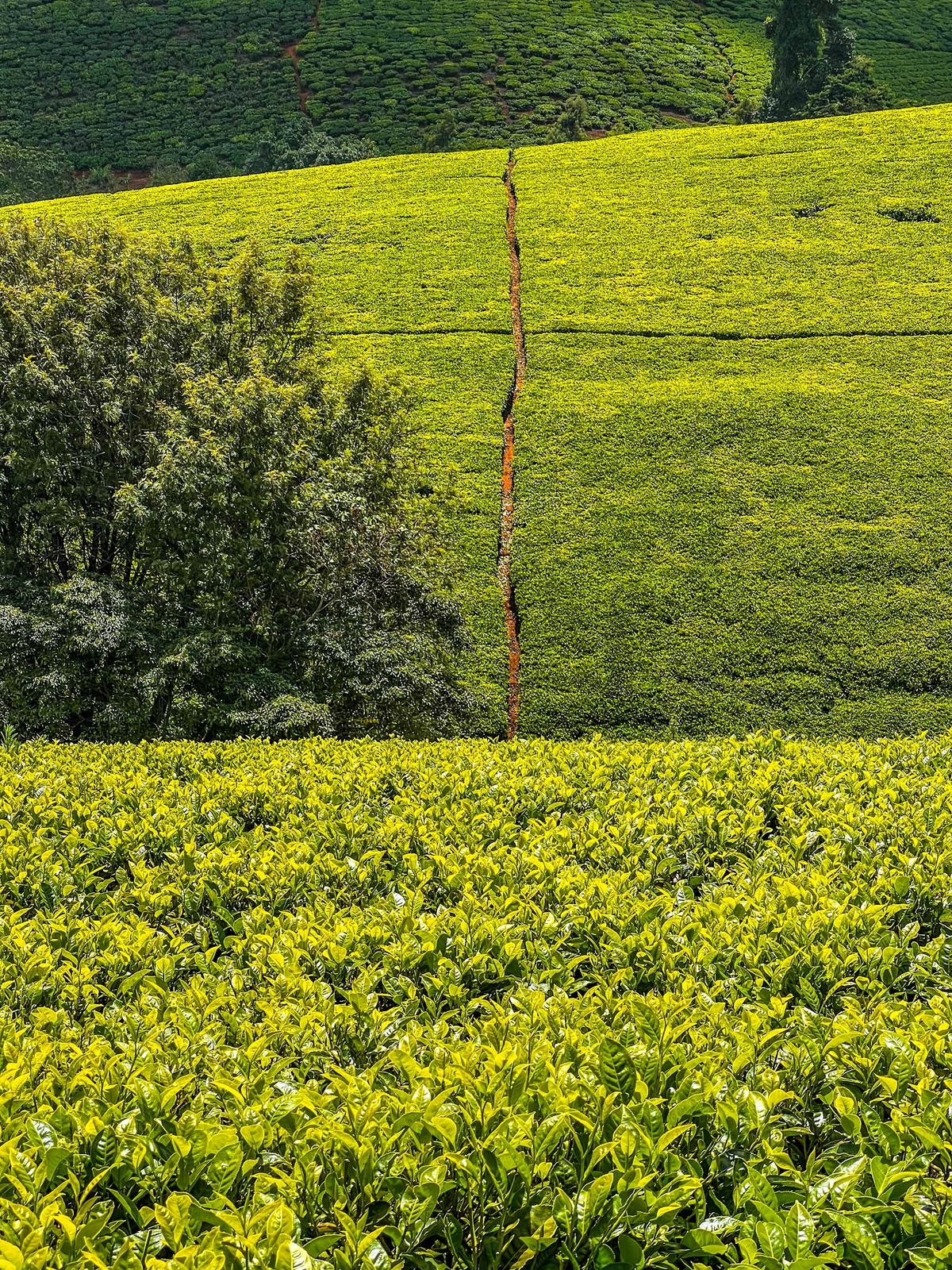
The landscape surrounding the farm continues to reflect that history, with tea fields stretching across the rolling hills of Tigoni and neighbouring Limuru.
Growing Tea at Tigoni Tea Farm
Tea farming requires patience, careful management and an understanding of the natural environment.
The tea plant, Camellia sinensis, is cultivated in many parts of the world, with Assam-type tea plants and their hybrids playing an important role in commercial tea production.
Kenya's highland conditions provide a favourable environment for tea cultivation. The cool climate, regular rainfall and suitable soils of Tigoni allow tea bushes to grow and produce tender leaves for harvesting.
From Seedlings to Tea Bushes
When tea cultivation began at the farm, nursery-grown seedlings were an important method of establishing new tea bushes.
Today, vegetative propagation through cuttings is widely used in commercial tea farming because it allows growers to reproduce selected plants with desirable characteristics, including yield and quality.
Harvesting Tea
Tea is harvested by selecting tender shoots, commonly two leaves and a bud.
At Tigoni Tea Farm, the frequency of harvesting changes with the weather and growing conditions. During periods of favourable rainfall, tea shoots develop more quickly, while growth slows during cooler or drier periods.
Experienced tea pickers play an essential role in maintaining the quality of the harvest.
Caring for the Tea Fields
Tea bushes require regular maintenance to remain productive.
Farm management includes monitoring plant health, maintaining soil fertility, managing surrounding vegetation and periodically pruning mature tea bushes.
Pruning is typically carried out in cycles of several years to encourage healthy regrowth and maintain a manageable harvesting height.
With proper care, tea bushes can remain productive for many decades.
From Our Tea Fields to the Factory
The journey of tea continues long after the leaves have been picked.
Freshly harvested tea from our farm is delivered to Mabroukie Tea Factory in the Limuru area, connecting the estate to one of the region's longstanding tea-processing operations.
Mabroukie forms part of Limuru's early commercial tea history, which expanded during the 1920s.
At the factory, harvested tea leaves undergo carefully managed processing to develop the flavour, colour and aroma associated with finished Kenyan tea.
The stages used depend on the type of tea being produced, with black tea generally undergoing withering, rolling or maceration, oxidation and drying.
For visitors, understanding this journey provides a deeper appreciation of the work involved in transforming a fresh green leaf into a cup of tea.
Discover the Different Types of Kenyan Tea
Although many types of tea originate from the same tea plant species, their distinctive characteristics are influenced by the plant variety, harvesting methods and processing techniques.
Black Tea
Black tea undergoes oxidation during processing, developing the rich colour and distinctive flavour for which Kenyan tea is widely known.
Green Tea
Green tea is processed to limit oxidation, preserving a different flavour profile and appearance from black tea.
White Tea
White tea is generally made from carefully selected young buds and leaves using relatively minimal processing. It is less commonly consumed in Kenya than black tea.
Purple Tea
Purple tea is produced from specially developed tea cultivars containing anthocyanin pigments that give the young leaves their distinctive purple appearance. Although purple tea is an important part of Kenya's tea innovation story, it is not currently grown at Tigoni Tea Farm.
During our guided tea experiences, visitors can learn about the differences between Kenyan tea types and discover how cultivation and processing influence the final cup.
The People Behind Our Tea
Behind every tea harvest are the people whose knowledge and work keep the farm productive.
Tea picking requires experience, consistency and careful attention to the quality of harvested leaves.
Across Kenya's tea-growing regions, generations of farmers, tea pickers, agricultural workers and factory employees have contributed to the development of one of the country's most important industries.
At Tigoni Tea Farm, we recognise the essential role of the people who cultivate, maintain and harvest our tea.
Their knowledge is part of the living heritage that we share with visitors.
Our Natural Environment
Tigoni Tea Farm is more than a tea plantation. It is also a countryside landscape shaped by trees, forest vegetation, water and agricultural activity.
The property and its surroundings include tree species such as African cherry (Prunus africana, locally known as muiri), wattle, eucalyptus and bamboo.
These trees contribute to the character of the landscape, providing greenery, shade and habitat, while appropriate vegetation management can support soil protection.
The surrounding forest and nearby waterfall are defining features of the farm experience.
We believe that preserving the natural beauty of Tigoni is important not only for the farm, but also for the wider community and future generations.

Preserving Tigoni's Tea Heritage
Kenya's tea industry has changed considerably since the first tea bushes were planted in Limuru in 1903.
Today, tea farmers face challenges including rising production costs, changing weather patterns, labour expenses and fluctuating returns.
For longstanding tea-growing areas such as Tigoni, increasing development pressure also raises important questions about the future of agricultural land.
We believe that tea farming is more than an economic activity. It is part of the landscape, history and identity of the Limuru highlands.
By continuing to cultivate tea and welcoming visitors to experience the farm, we hope to encourage a deeper appreciation of this heritage and the importance of protecting Tigoni's agricultural landscapes.
Experience Tigoni Tea Farm
Today, Tigoni Tea Farm welcomes visitors to discover the beauty, history and traditions of Kenya's tea country.
Our guided experiences bring guests closer to the landscape and the people behind Kenyan tea.
Guided Tea Farm Tours
Walk through scenic tea plantations, learn how tea is cultivated, participate in tea picking, discover the processing journey and enjoy a guided tasting of Kenyan tea.
Tigoni E-Bike Tea Tours
Explore the rolling tea estates and countryside trails of Tigoni on a guided electric bike adventure through the beautiful Limuru highlands.
Farm-to-Table Dining
Enjoy a thoughtfully prepared three-course meal in our glass dining room, surrounded by panoramic tea plantation and forest views, with the peaceful sounds of the nearby waterfall.
Visit a Working Tea Farm Near Nairobi
Located at Ravenswood Farm in Tigoni, Limuru, Tigoni Tea Farm offers visitors an opportunity to experience the countryside and discover Kenya's tea-growing heritage firsthand.
Whether you're interested in agricultural history, nature, tea production or simply spending time away from the city, we invite you to discover a place where generations of tea farming meet the beauty of the Kenyan highlands.
Tigoni Tea Farm — Rooted in Heritage. Growing Through Generations.